
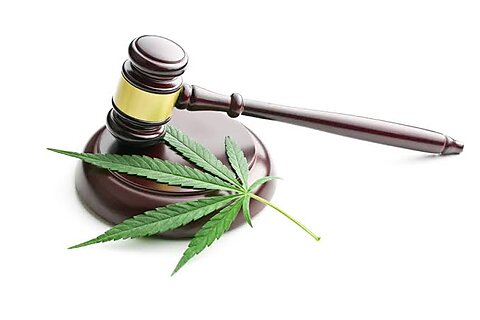
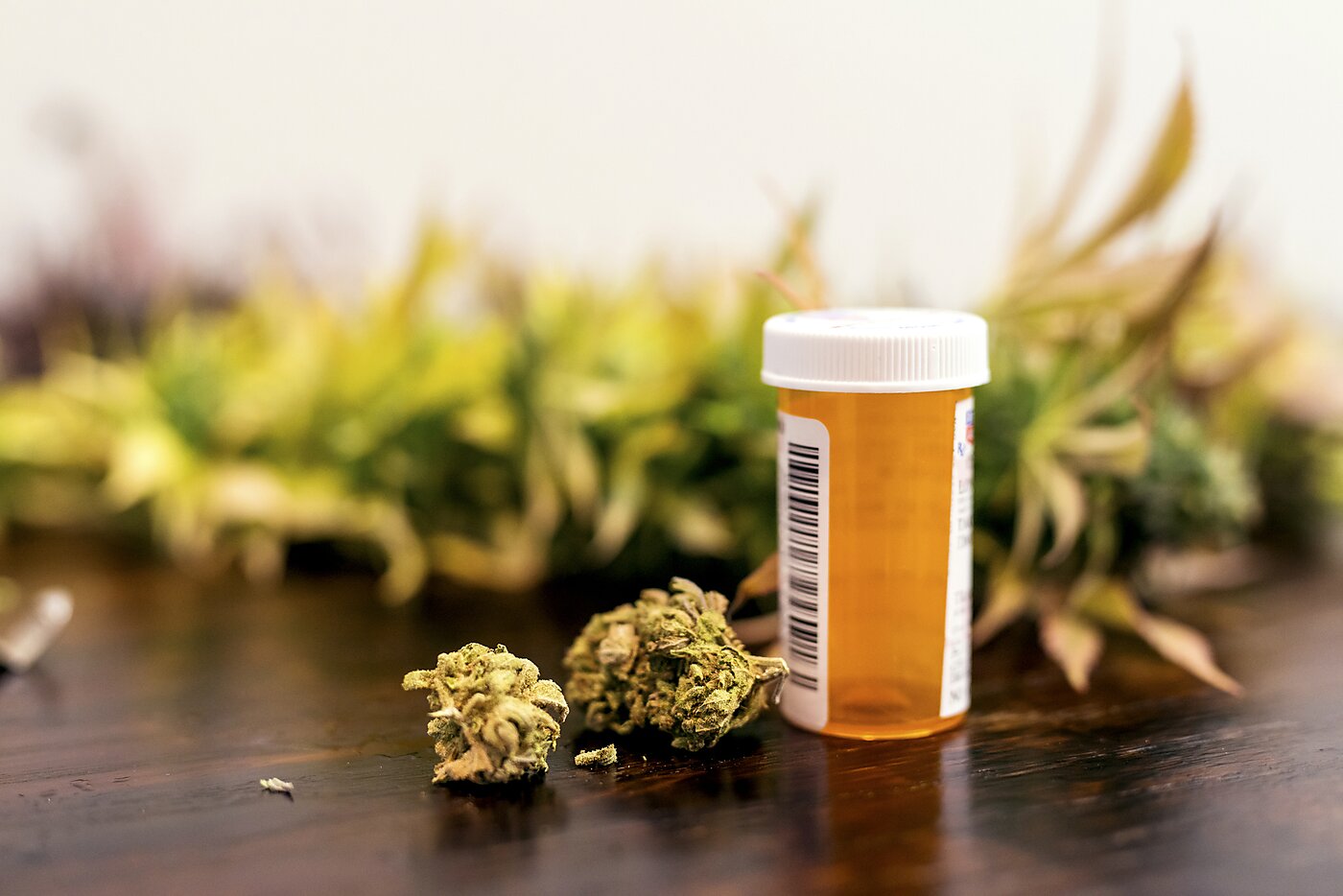
The Trump administration recently initiated rulemaking to reschedule marijuana from Schedule I to Schedule III. Drugs in Schedule I are deemed to have no accepted medical purpose and high potential for abuse, while those in Schedule III (e.g., ketamine, anabolic steroids) are categorized as having “moderate to low potential for physical and psychological dependence.”
Opinions vary as to whether this rescheduling will have a major impact on the marijuana market, since Schedule III still gives the federal government considerable control. But the change unquestionably weakens federal marijuana prohibition.
A further question is why federal policy treats marijuana so differently from opioids like fentanyl. Conventional wisdom assumes that opioids are more dangerous than MJ and that stricter government control is desirable for more dangerous substances.
In fact, the right approach for all drugs is the same: legalization. The history of marijuana versus opioid policy supports this view.
Since the 1970s, US marijuana policy has moved away from strict prohibition, starting with state-level decriminalization, medicalization, and legalization, followed now by partial federal relaxation. Despite debate over the effects of marijuana on psychological health, the evidence does not suggest that rescheduling would result in material increases in violence or other social harm.
By contrast, policy toward fentanyl and other opioids has moved toward more aggressive prohibition and enforcement over the past several decades. During that period, opiate overdose deaths have soared.
This contrast highlights a core libertarian point. When drugs are legal, private and public mechanisms for quality control (reputation, tort liability) limit the risk of accidental overdoses. Under prohibition, these mechanisms do not operate, so quality control (e.g., accurate potency labels) declines. Similarly, under legalization, market participants resolve disagreements with non-violent mechanisms like courts and arbitration; under prohibition, they resort to violence.
The lesson from marijuana is therefore not that drugs are harmless but that criminal enforcement makes their harms worse. If policymakers are serious about reducing drug-related deaths and violence, the divergence between marijuana and opioid policy should give them pause.
Cross-posted from Substack. Jai Glazer, a student at Harvard College, co-wrote this piece.