
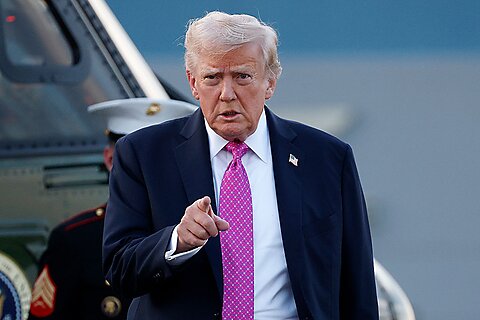
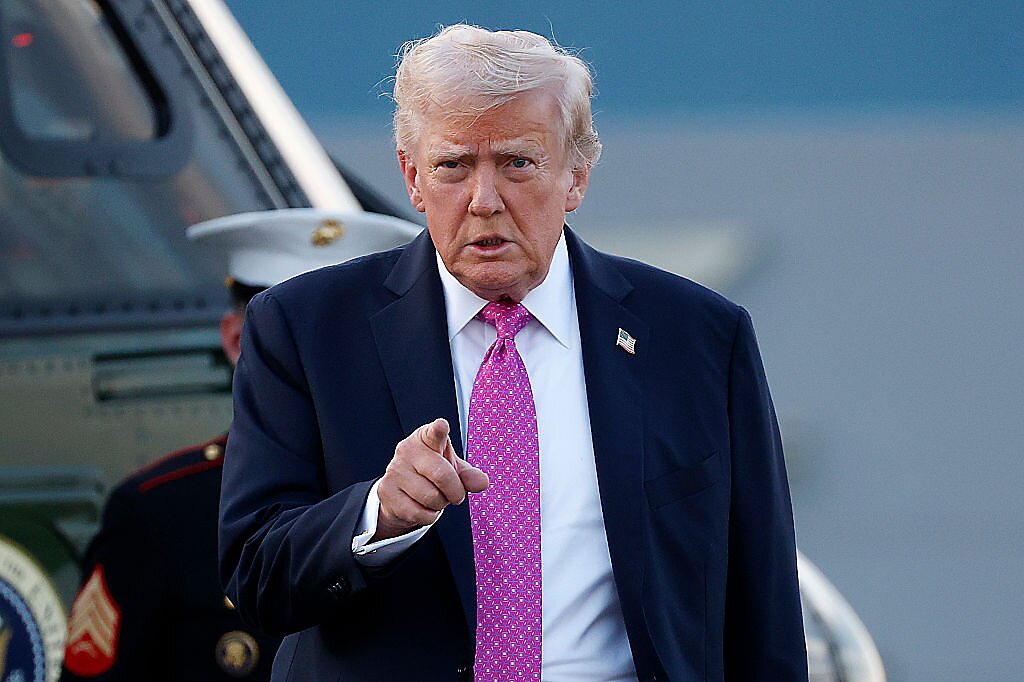
The Kennedy Center Board of Trustees voted recently to change the center’s name to the Trump–Kennedy Center. Beyond concerns about whether such a change requires congressional action, much commentary—especially from Trump critics—believes that this action politicizes what should be a “cultural” institution. Several musicians and dance groups are canceling their performances in protest. At least 15 performers withdrew from their scheduled appearances at the center earlier this year.
But why is the Trump name any more or less political than the Kennedy name? Indeed, one might argue that the combined title is more politically “neutral.”
It is inevitable that government-owned institutions will reflect the government’s agenda. With government funding, political priorities will influence an institution’s decisions, with inevitable acrimony and polarization. The Kennedy Center is federal property and operates as a public-private partnership. The center receives federal funding for security, upkeep, and operations while relying on ticket sales and private donations. Although the Kennedy Center’s Board of Trustees exercises control over artistic operations, most board members are appointed by the president. As a result, the board’s decisions are likely to reflect the priorities of the administration in power.
The real issue is that the federal government should never have created this center in the first place. No effective argument exists for government funding of artistic activity, since private actors consistently produce cultural institutions in response to demand. In fact, private art museums (such as the Museum of Modern Art and the J. Paul Getty Museum) have experienced a significant global boom in recent years. Cultural production more broadly also exists without federal funding, including commercial theaters like Broadway’s Imperial Theatre, film studios like Disney, and symphonies like the Chicago Symphony Orchestra.
The way to avoid polarization over the naming or staffing of an artistic center is for government to exit. Similar considerations apply broadly: There can be no controversy over government control of museums, such as the Smithsonian, if the government plays no role in funding museums. As in other areas of government control, the power to do “good” is also the power to do “bad.”
This was cross-posted from Substack. Emily Bronckers, a student at Harvard College, co-wrote the piece.